

Safety & Stewardship
Preparing for a safe, respectful, and successful voyage together.
Paddle for Life is a remarkable experience because of the people who make it possible—our paddlers, escort boat captains, safety teams, medical volunteers, cultural advisors, and community partners.
Every participant shares responsibility for protecting one another, respecting the ocean, honoring Lānaʻi, and helping ensure that Paddle for Life can continue for years to come.
Safety and stewardship are not separate responsibilities—they are part of the same commitment to caring for one another and for the places that welcome us.
Every Paddler Has a Responsibility
Come Prepared
Arrive physically prepared for the crossing by hydrating well, eating properly, getting adequate rest, and bringing any personal medications you may need. Paddle for Life cannot accommodate every dietary or medical need, so participants are responsible for planning ahead.
Look Out For One Another
Every paddler is encouraged to watch over their crew, speak up when something feels wrong, and report concerns early. Small issues addressed quickly often prevent larger emergencies.
See Something, Say Something.
Follow Event Leadership
Our safety team, escort boat captains, team captains, medical personnel, and volunteers work together under a coordinated safety plan.
Please follow directions from event leadership throughout the voyage so we can keep everyone safe.
Honor the Experience
Safety extends beyond the water. Caring for one another, respecting Lānaʻi, and protecting the environment are all part of what makes Paddle for Life possible.
Before Your Launch
Every participant must complete the following before participating in Paddle for Life:
✓ Water Safety Training
✓ Cultural Orientation
✓ Safety Briefing
✓ Signed Participant Waiver
✓ Team Float Plan Submitted
These requirements help ensure that every participant is prepared before launching across the ʻAuʻau Channel.
On the Water
While every crossing is different, a few core practices help keep everyone safe throughout the voyage.
Always
Wear your USCG-approved PFD at all times while on the water.
Stay with your canoe and assigned buddy system.
Maintain communication with your escort vessel.
Know where emergency equipment is located.
Stay hydrated and fueled throughout the day.
Never
Remove your PFD while on the water.
Leave your canoe without direction.
Transfer between canoes outside of established procedures.
Share medications or unapproved food.
Consume alcohol or controlled substances during the event.
Water Changes
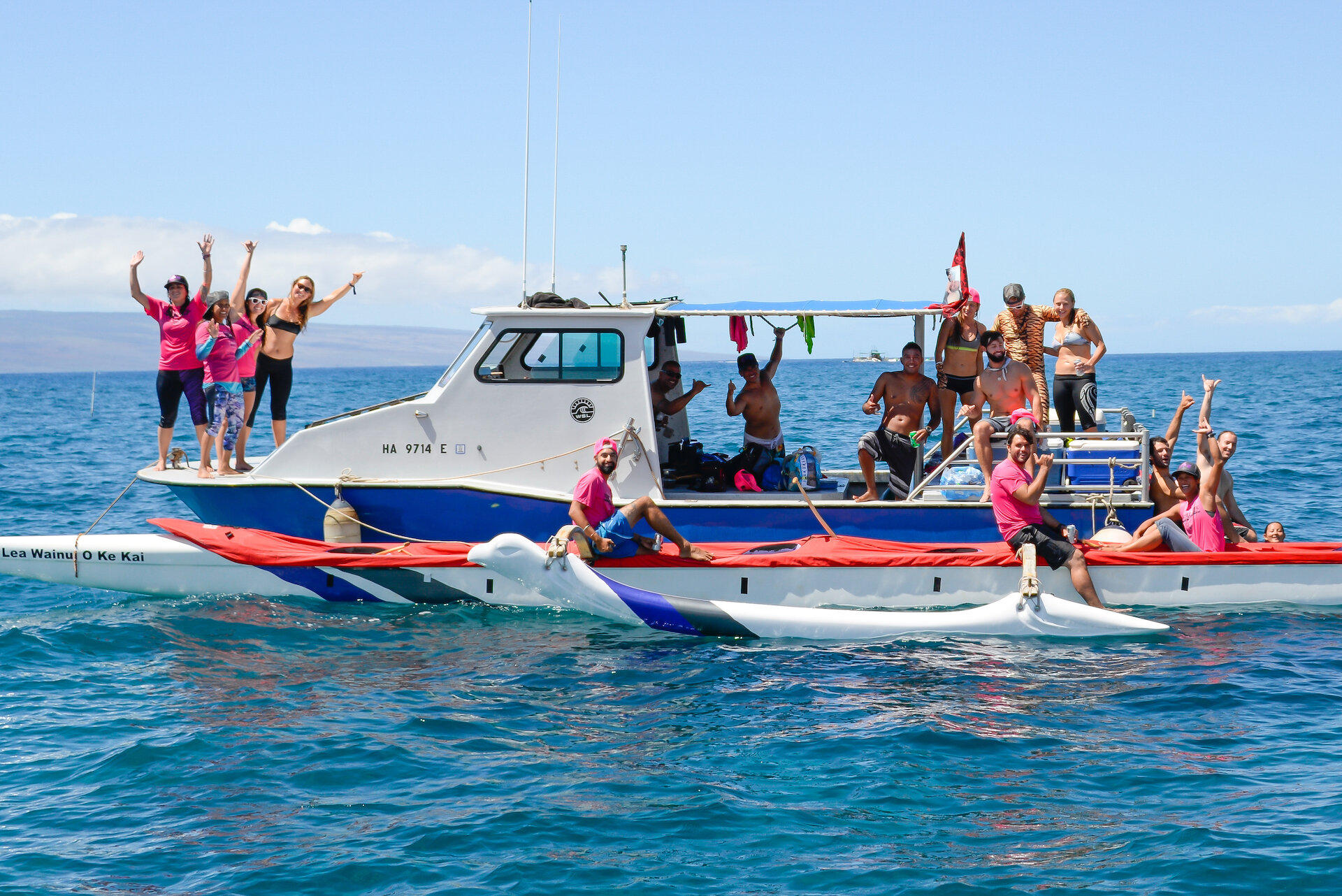
The Highest-Risk Moment of the Voyage
Water changes require patience, communication, and teamwork.
Every participant should understand the procedures before entering the water.
Key reminders include:
Enter one at a time.
Support the iako during transfers.
Call your seat number.
Stay grouped.
Count heads.
Raise your hand when ready for pickup.
Keep clear of propellers.
Do not move the vessel until every paddler is accounted for.
Detailed procedures are available in the Water Change Safety Protocol.
Marine Wildlife & Ocean Stewardship
The ʻAuʻau Channel is home to extraordinary marine life.
As we paddle through these waters, we have a responsibility to respect and protect the animals that live here. These protections are both legal requirements and expressions of respect for Hawaiʻi's marine ecosystems.
Spinner Dolphins
Remain at least 50 yards away.
Never pursue, surround, or interfere with dolphins.
Humpback Whales
Remain at least 100 yards away whenever whales are present.
Sea Turtles & Coral
Please do not touch turtles or coral at any time.
If Someone Needs Help
Stay Calm. Follow Your Training.
If someone is in distress:
REACH • THROW • ROW
DON'T GO
Use available flotation, paddles, throw lines, or boats to assist whenever possible.
Immediately notify the Safety Team on VHF Channel 74 so trained personnel can respond.
Quick communication is one of the most effective safety tools we have.
Download Participant Safety Resources
These summaries provide an overview of Paddle for Life's safety expectations. All participants should review the role-specific protocols that apply to them before the event.
Paddler Safety Protocols
One-page overview for every participant.
Team Captain Safety Protocols
Required reading for all Team Captains.
Escort Boat Captain Safety Protocols
Required reading for all escort boat operators.
Water Change Safety Protocols
Step-by-step procedures for water transfers.
Safety & Medical Assistance Protocol
Overview of medical response procedures and emergency communications.
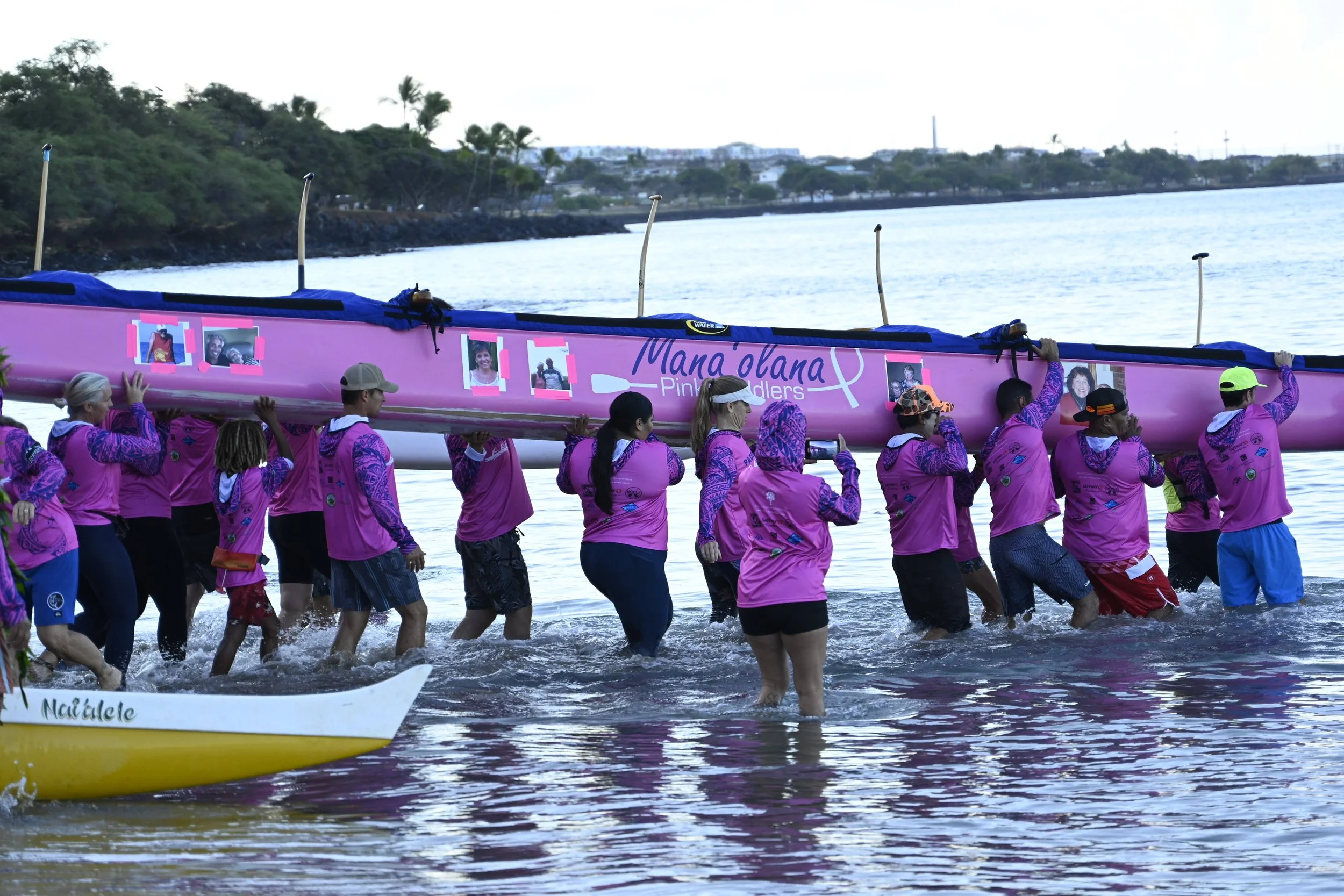
SAFETY BEGINS BEFORE WE LAUNCH
Preparing for Paddle for Life means preparing together.
Review the safety resources, complete your required training, and arrive ready to support your teammates throughout the voyage.